— From farm to jar · खेत से जार तक
From fruit
to your kitchen.
The full route, in the open: what we measure, who touches it, where it travels — and why every batch has to earn its place in your chai.
- 11 checkpoints
- Traceable lots
- Kitchen-panelled
— The journey
Eleven steps,
one unbroken line.
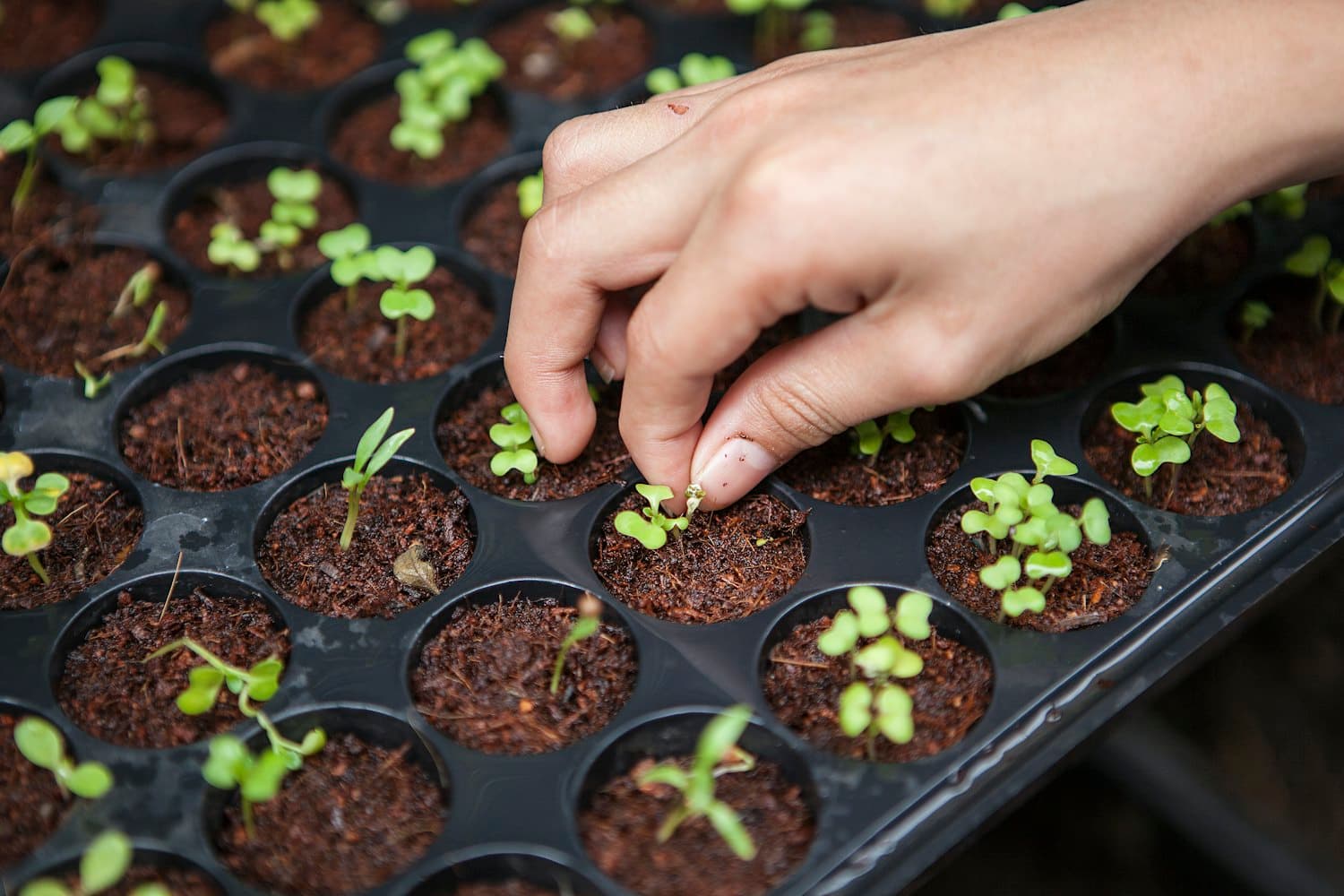
Scroll the line. The photo on the left changes hands with each step — the same lot, followed from a seedling tray to the jar on your shelf.
Step 01
Harvest
Ripe monk fruit is hand-picked from cooperative farms and logged by lot.
We only buy full-ripe luo han guo — under-ripe fruit brings a thin sweetness and a grassy finish. Every lot is tagged before it leaves the farm, so we can trace each jar back to its harvest week.
MeasuredLot ID · harvest date · farm cooperative · fruit grade.
Step 02
Wash
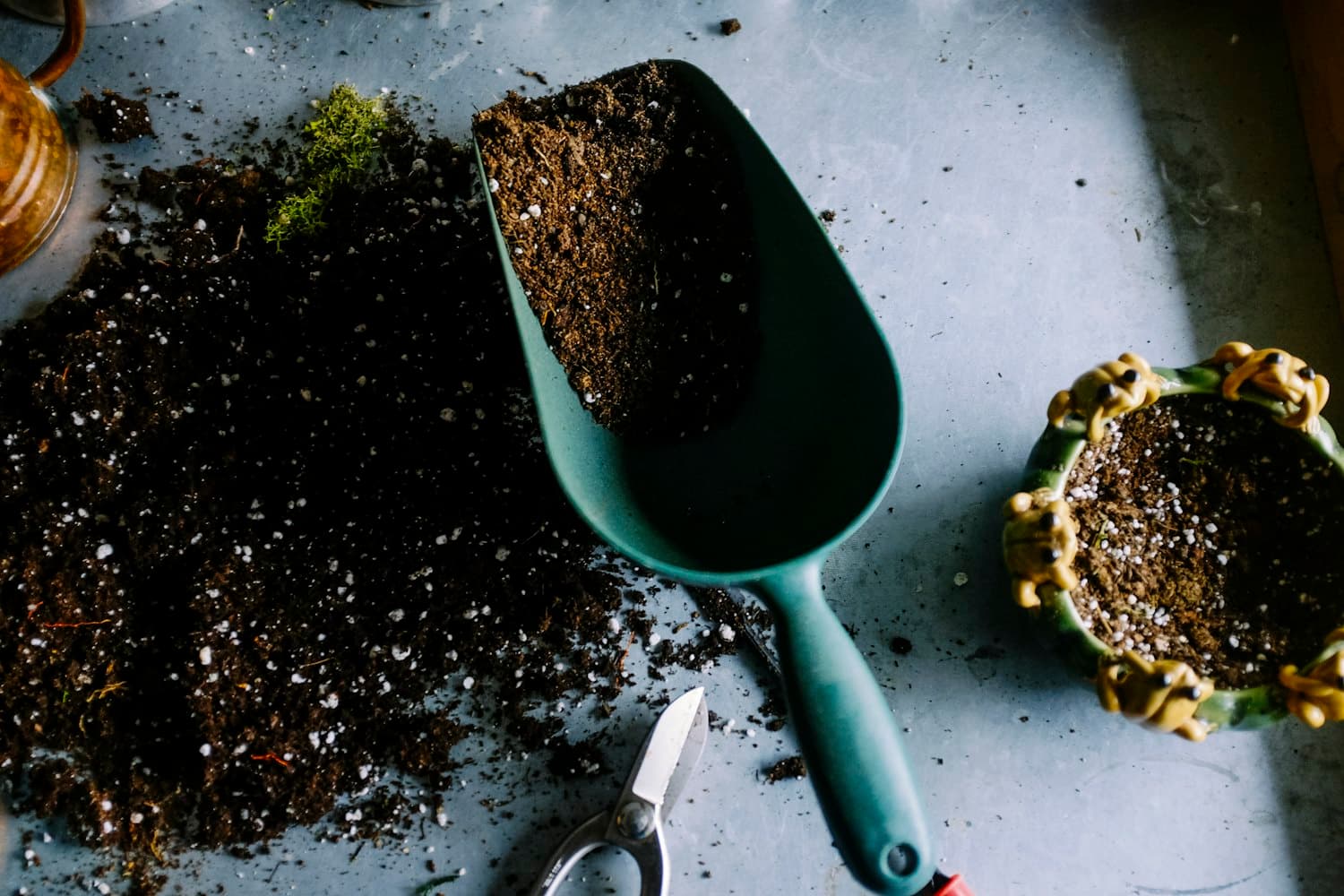
Fruit is cleaned and sorted — no bleaching, no sulphur treatment.
Skins are washed and inspected before extraction. Damaged fruit is rejected, because the extraction step amplifies tiny flaws into aftertaste you would taste in your chai.
MeasuredVisual sort · rinse log · rejection count.
Step 03
Extract
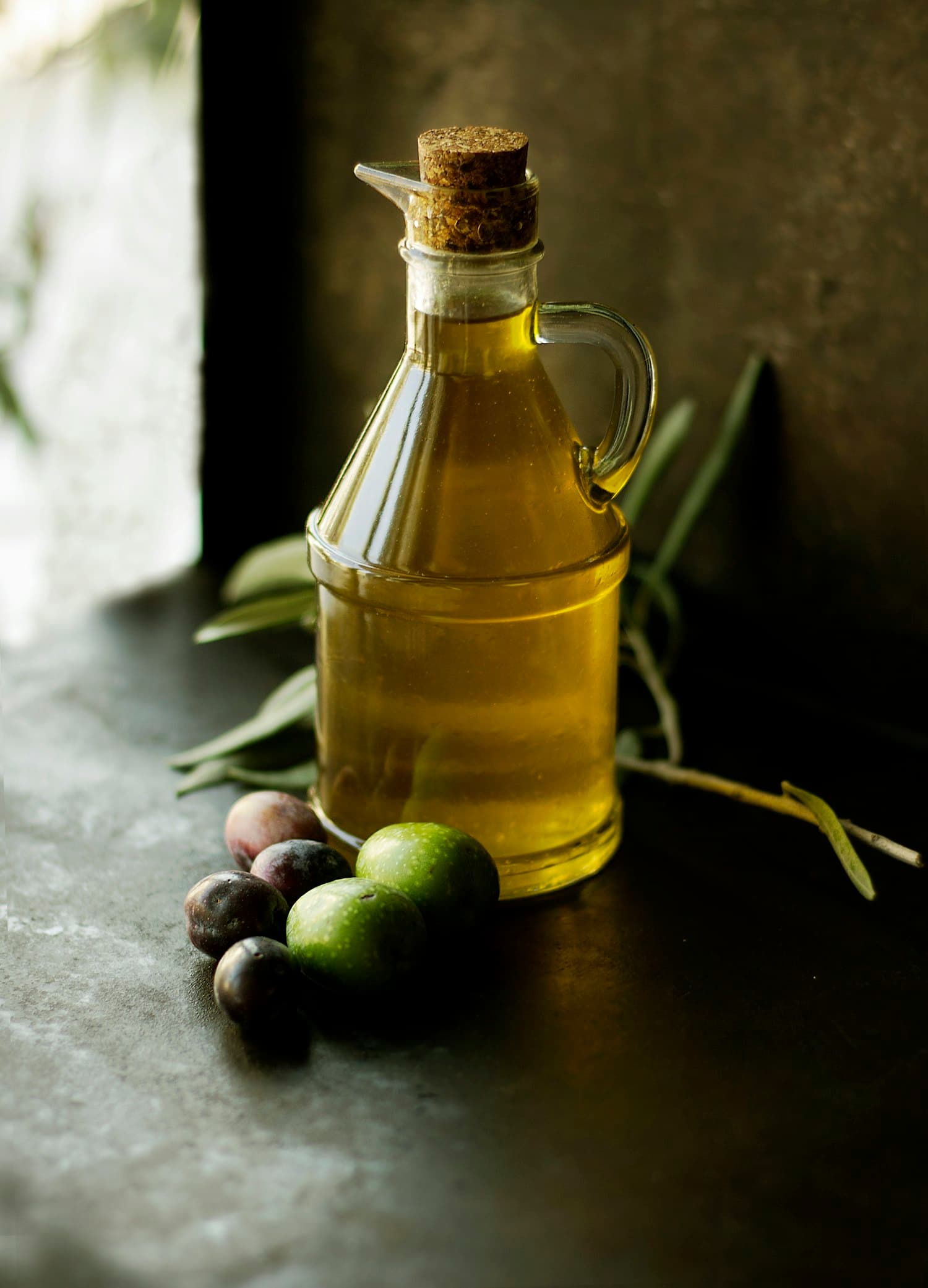
Filtered-water extraction pulls the mogrosides — no harsh solvents.
No alcohol, no acetone, no shortcut chemistry. Water extraction keeps the sweetness round and lets us avoid sugar alcohols in the final blend.
MeasuredSolvent-free declaration · mogroside concentration.
Step 04
Clarify
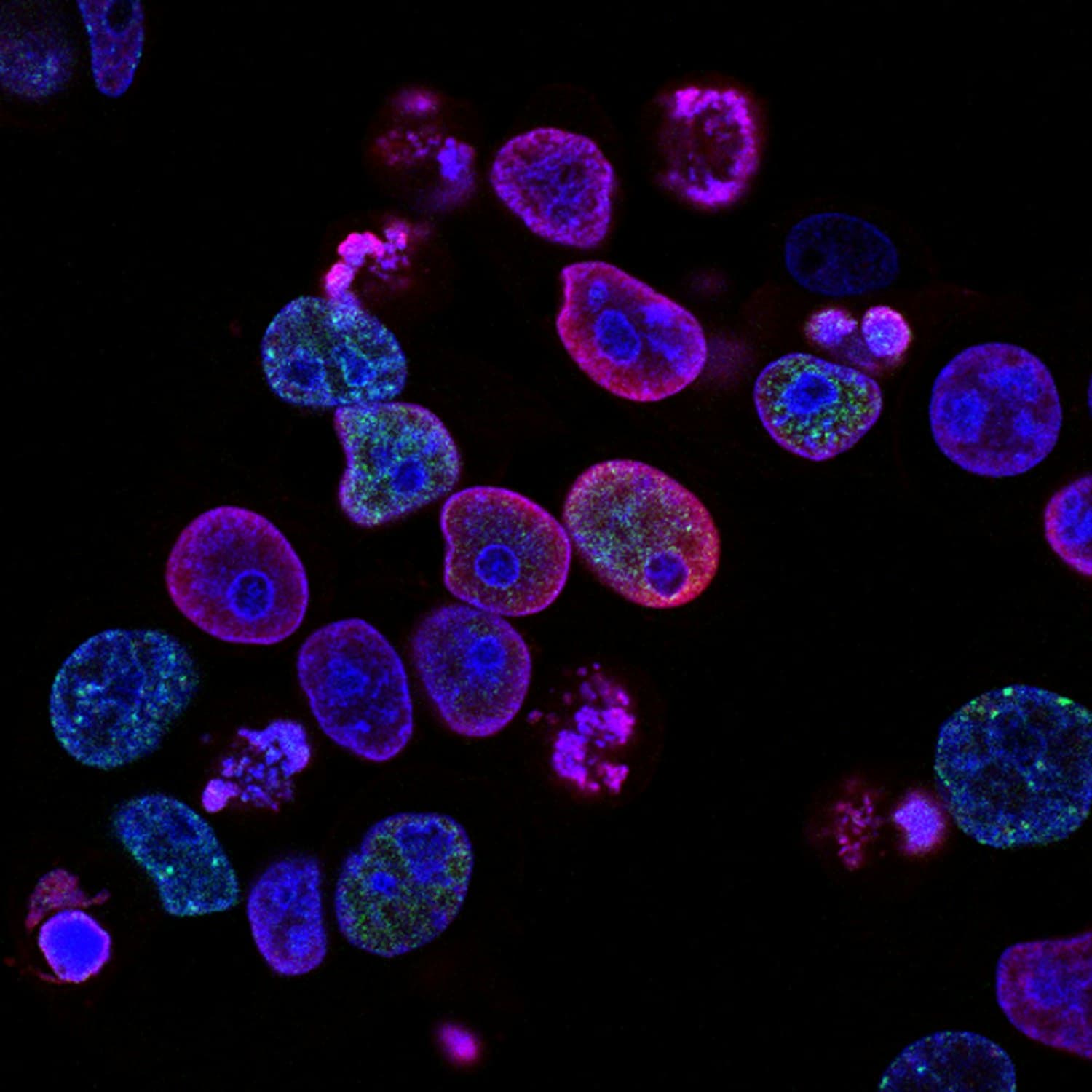
Extract is filtered until the sweetness is clean, round, and stable.
Clarification strips bitter plant notes while protecting Mogroside V — the compound that does the sweetening. This is where most of the final taste is won or lost.
MeasuredClarity reading · taste-panel pre-check.
Step 05
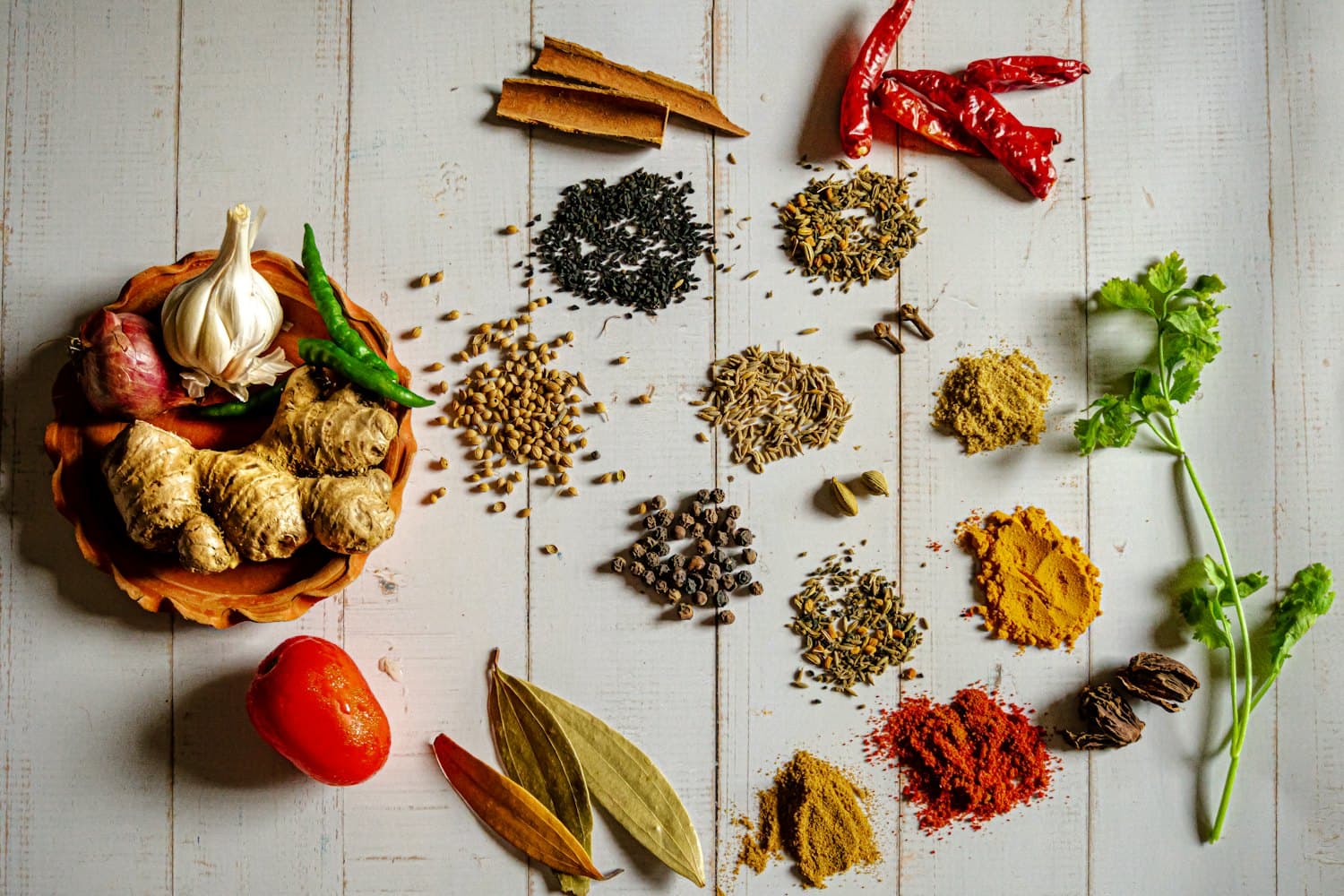
Dry
Crystals are dried slowly to avoid burnt notes and clumping.
Low heat protects the sweetness curve. We stop before the powder turns chalky, then rest the batch so moisture evens out across every grain.
MeasuredMoisture target · drying curve · rest window.
Step 06
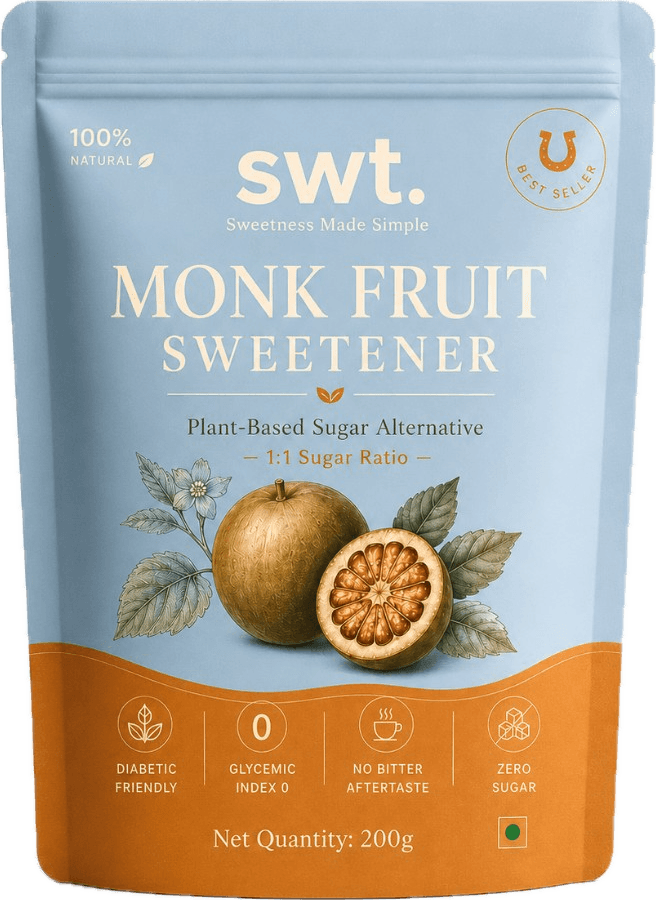
Balance
Texture is tuned for spooning, dissolving, and baking.
Drops, the 1:1 pouch, brown swap, and sachets all behave differently. We tune particle size, concentration, and flow for the form — not just the formula.
MeasuredParticle size · drop count · spoonability.
Step 07
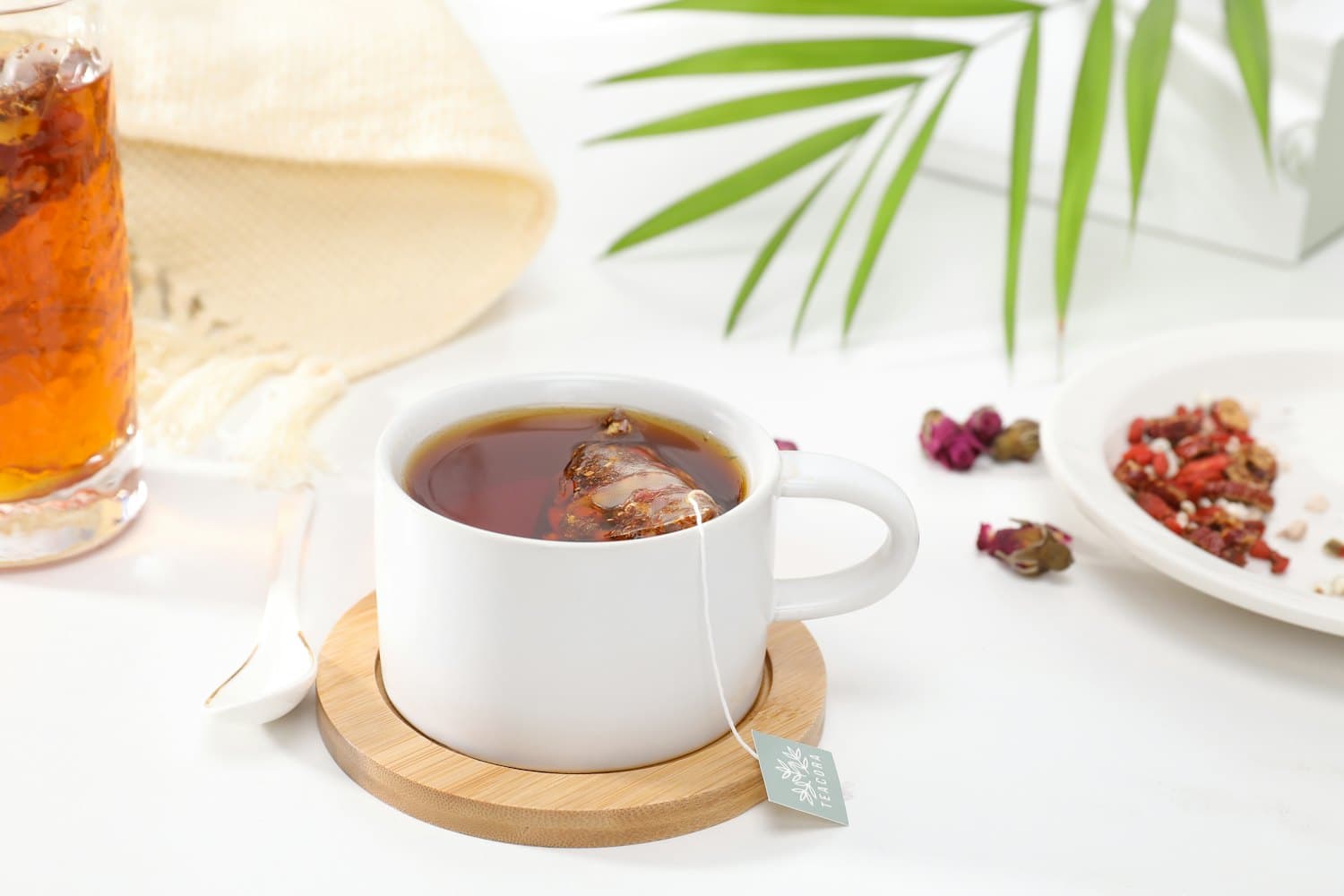
Taste
Kitchen panels test chai, filter coffee, curd, halwa, and a heat-stress recipe.
If it only tastes good in water, it does not ship. Every batch has to survive milk tea, filter coffee, curd, and one stubborn hot dessert before it earns a label.
Measured11-person panel · no-aftertaste score.
Step 08
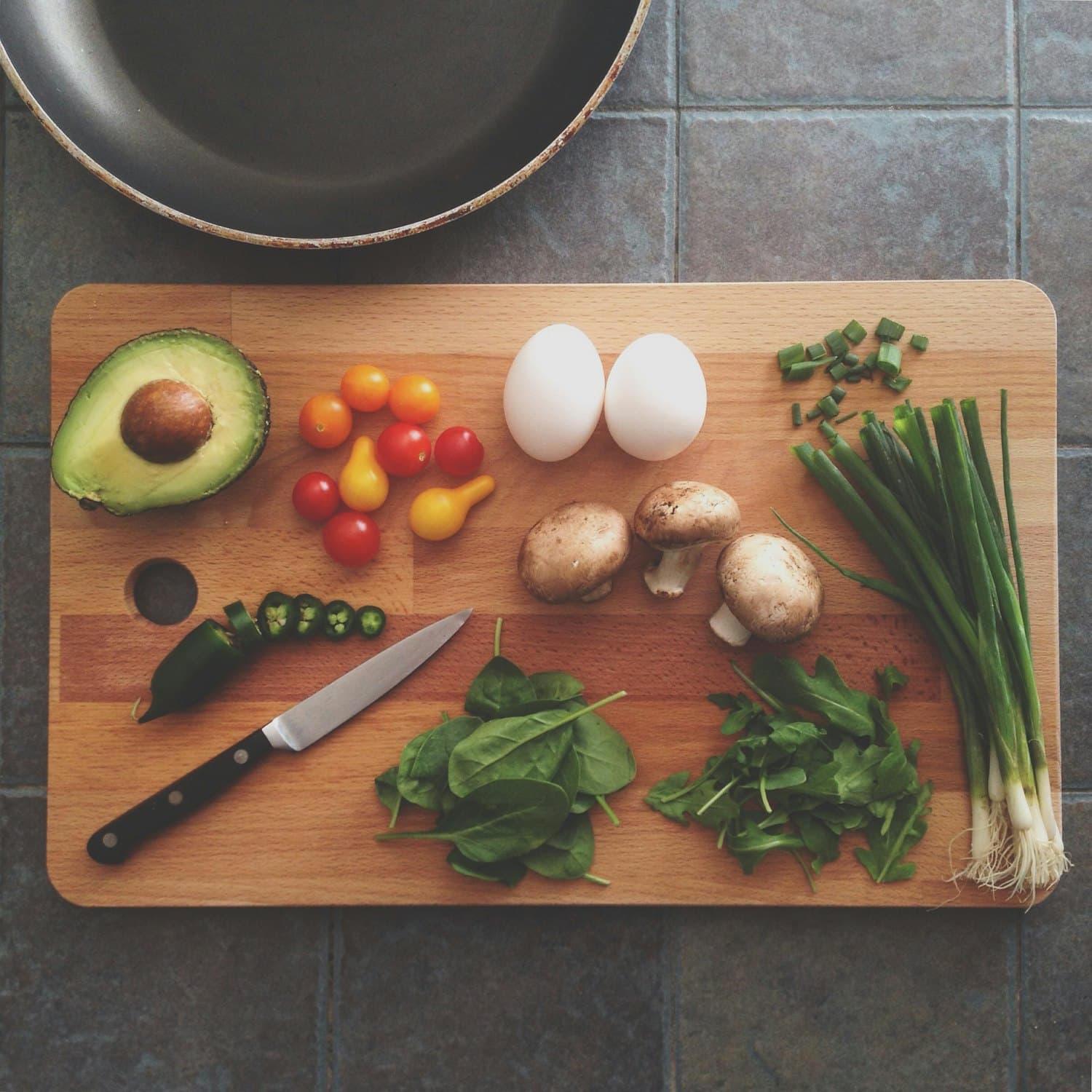
Measure
Each batch is checked for sweetness, moisture, and solubility.
The numbers catch what taste buds miss: sweetness strength, dissolution time, residual moisture, and pack weight — all logged against the lot.
MeasuredSweetness index · dissolution seconds · net weight.

Step 09
Pack
Jars and drops are sealed with batch notes and best-before tracking.
Glass and drops are sealed under one batch code, so the bottle in your kitchen ties back to the harvest week it started in. Print the code on the base and you can trace any jar in seconds.
MeasuredSeal check · batch label · best-before date.
Step 10
Ship
Orders leave in right-sized packaging with carbon-neutral shipping.
Glass gets snug packaging, sachets get flat mailers, and subscriptions are timed so you never run out between boxes.
MeasuredCarrier scan · tracking link · packaging type.

Step 11
Listen
Reviews and kitchen notes feed straight into the next batch.
Support tickets, return reasons, reviews, and subscription skips all become batch notes. The process keeps improving because the kitchens using it keep teaching us.
MeasuredReview themes · returns log · next-batch change note.
— Measured at every step
Taste is the judge.
Numbers are the proof.
Every batch carries a sheet before it carries a label: sweetness index, dissolution time, residual moisture, net weight — each logged against the lot it came from.
If a reading drifts, the batch waits. We would rather hold a week than ship a jar that tastes thin in filter coffee or leaves a cooling finish in halwa.
See the science behind the sweetness →Process you can
taste.
Start with the trio and find the form that belongs in your kitchen.
Shop the range